Deadly Point: A Font with Gothic Elegance and Western Edge
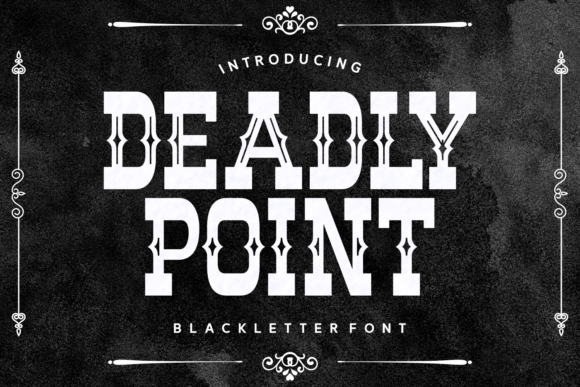
Fonts are more than just letters on a page—they're visual storytellers. When you're looking for a typeface that can bridge the gap between old-world sophistication and modern creativity, Deadly Point is a standout choice. This distinctive blackletter font brings together the ornate beauty of traditional Gothic script with the bold, hand-drawn energy of tattoo art and a touch of rugged Western charm. Whether you’re designing a poster, creating branding materials, or simply adding flair to your digital projects, Deadly Point offers a unique aesthetic that stands out in any context.
The Unique Character of Deadly Point
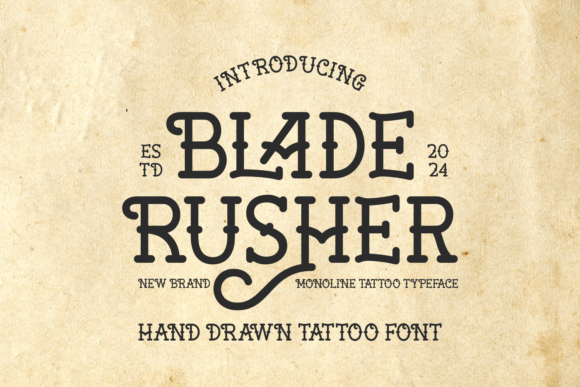
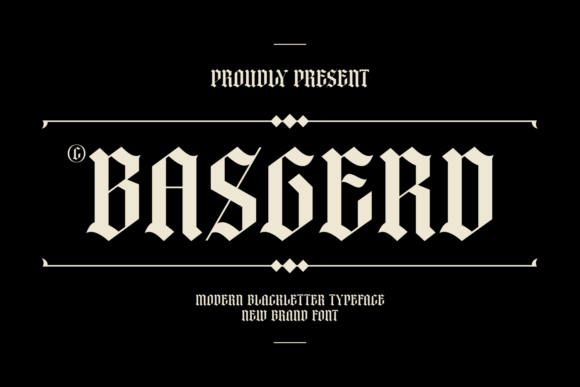
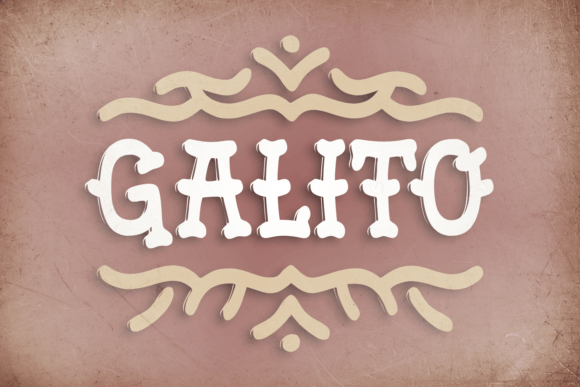
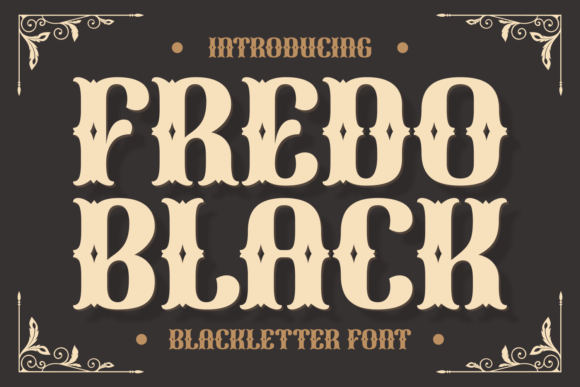
At first glance, Deadly Point might remind you of classic blackletter fonts—those dramatic, calligraphic styles often associated with medieval manuscripts and vintage book covers. But what sets it apart is its infusion of contemporary elements. The sharp angles and intricate serifs of Gothic lettering meet the loose, textured strokes typical of tattoo designs, giving each character a sense of movement and individuality. Throw in a subtle hint of Western influence, like the kind you’d see in rodeo posters or cowboy memorabilia, and you get a font that’s both timeless and fresh.
This combination doesn’t just look good—it works well. The contrast between elegance and rawness makes Deadly Point ideal for projects where you want to convey strength, tradition, and a bit of rebellion all at once.
Why Designers and Creators Love Deadly Point
- Versatility: It adapts to a wide range of applications, from print to digital media.
- Attention-Grabbing: Its bold, stylized appearance naturally draws the eye.
- Distinctive Style: You won’t find many fonts that blend Gothic and Western aesthetics so seamlessly.
- Creative Expression: It allows users to stand out while staying true to their artistic vision.
Practical Uses for Deadly Point
Deadly Point isn’t just for show—it has real-world uses across different creative fields. Here are some practical examples of how this font can elevate your work:
Wall Art and Interior Design
If you're into home decor, Deadly Point can add a dramatic focal point to any room. Imagine a large wall mural featuring motivational quotes or poetry, rendered in this striking font. Its Gothic roots lend an air of gravitas, while the Western edge gives it a down-to-earth, adventurous vibe. Perfect for rustic-themed spaces, music rooms, or anywhere you want to make a statement.
Signage and Branding
For small businesses, especially those in the barbershop, tattoo studio, or craft beer industries, Deadly Point can be a powerful brand asset. Its tattoo-like texture pairs beautifully with edgy logos, and the Western undertones fit well with saloon signs, outdoor gear shops, or even Western-inspired cafes. Using this font in signage helps create a memorable identity that resonates with customers.
Event Decor and Invitations
Planning a themed event? Deadly Point can help set the tone. Whether it's a Halloween party with a dark, mysterious feel or a Western wedding with a twist, this font adds personality to invitations, banners, and backdrops. Its decorative nature ensures your event will have a unique visual appeal that guests won’t forget.
Digital Projects and Social Media
In the online world, standing out is key. Deadly Point can enhance blog headers, YouTube thumbnails, Instagram posts, and website menus. Use it sparingly for headlines or as an accent to highlight specific content. For bloggers in niches like lifestyle, fashion, or adventure, this font can reflect a strong personal style while keeping the design visually engaging.
Printed Merchandise and Apparel
Merchants selling T-shirts, mugs, or posters often rely on fonts to communicate their brand message. Deadly Point is great for merchandise with a gothic or punk aesthetic, but also fits well with Western-themed apparel. Its ability to convey both grit and grace makes it a top pick for products targeting fans of biker culture, historical reenactments, or alternative fashion scenes.
Beginner-Friendly Tips for Using Deadly Point
If you're new to typography or using Deadly Point for the first time, here are some tips to help you make the most of it:
- Use it as a headline: Because of its high contrast and detailed strokes, Deadly Point is best used in larger sizes. Try it for titles or key phrases rather than long blocks of text.
- Pair it with simpler fonts: To balance its intensity, combine Deadly Point with clean sans-serif or serif fonts in body copy. This keeps your design readable and visually harmonious.
- Experiment with spacing: The font’s intricate details mean extra space between characters can enhance legibility and impact. Don’t be afraid to adjust tracking or leading.
- Consider color and background: Dark tones usually work best with blackletter fonts, but Deadly Point’s Western influence means lighter backgrounds or sepia tones could also complement its mood.
- Layer for effect: In graphic design software like Adobe Photoshop or Illustrator, try layering Deadly Point with textures such as leather, wood grain, or ink washes to amplify its handcrafted feel.
Important Things to Consider Before Choosing Deadly Point
While Deadly Point is undeniably stylish, it’s important to choose the right tool for the job. Here are some things to keep in mind before incorporating it into your project:
Legibility Matters: Despite its charm, Deadly Point may not be the best option for body text or anything requiring quick readability. Save it for accents or headings where visual impact is more important than clarity at a glance.
Audience Alignment: Think about who you’re designing for. If your audience prefers minimalist or modern aesthetics, Deadly Point might not resonate. However, if you're targeting niche markets like tattoo enthusiasts, Western collectors, or goth communities, it can be a perfect match.
License Compliance: Always check the licensing agreement when using any font, especially for commercial purposes. Ensure you have the rights to use Deadly Point in your intended application—whether it’s for a logo, printed material, or online content.
When to Avoid Deadly Point
- Projects needing formal or professional readability (e.g., legal documents, academic papers).
- Branding that leans toward minimalism or ultra-modern styles.
- Designs where subtlety is preferred over boldness.
How to Get Started with Deadly Point
Ready to bring Deadly Point into your workflow? Start by downloading the font from a trusted source or font marketplace. Once installed, open your favorite design software and experiment with how it looks in different settings. Try overlaying it on photos, pairing it with contrasting colors, or adjusting the stroke weight to suit your needs.
For beginners, tools like Canva or Adobe Express offer easy ways to incorporate Deadly Point without needing advanced design skills. Just select the font, type your text, and tweak the layout until it feels right. Remember, practice makes perfect—and sometimes the best results come from playing around with the font’s natural quirks.
Realistic Use Cases to Inspire You
- Western-themed album cover: A country band wants to release a new EP with a rugged yet elegant look. They use Deadly Point for the title, paired with a desert landscape photo and warm brown tones.
- Barber shop logo: A local barber shop owner wants to emphasize craftsmanship and tradition. He chooses Deadly Point for the shop name, adding a leather texture and subtle shadow effects for depth.
- Dark fantasy poster: An indie game developer is promoting a new RPG. The poster features a knight against a stormy sky, with Deadly Point used for the game title to evoke a sense of ancient power and modern edge.
Conclusion
Deadly Point is more than just a font—it’s a design element that tells a story. By combining the refined structure of Gothic lettering with the free-spirited essence of tattoo art and a dash of Western grit, it opens up a world of creative possibilities. From event decorations to digital campaigns, it’s a versatile choice for anyone wanting to infuse their work with a little extra character.
Before diving in, take a moment to consider how Deadly Point aligns with your project’s goals and audience. With the right approach, it can become one of your most valuable typographic tools, helping you express ideas with both strength and style.