Backghore: Merging Medieval Elegance with Modern Design
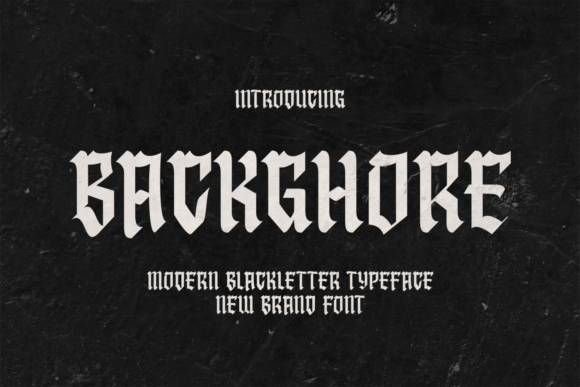
The Backghore blackletter font stands as a testament to the enduring appeal of historical typography. With its roots in the ornate and intricate styles of medieval script, Backghore brings a sense of timelessness and sophistication to contemporary design projects. This bold and traditional typeface is more than just an homage to the past—it's a versatile tool for modern creators who seek to infuse their work with character and depth.
Aesthetic Power and Historical Depth
Blackletter fonts, like Backghore, have long been associated with the grandeur of illuminated manuscripts and Gothic architecture. These scripts were originally used by scribes in Europe during the Middle Ages and later became symbols of cultural identity in regions such as Germany and France. Today, they offer a unique visual language that can convey authority, heritage, or mystique.
What sets Backghore apart is its ability to balance the ornate with the legible. Unlike some blackletter fonts that can be overly decorative and hard to read, especially at smaller sizes, Backghore has been carefully refined to maintain clarity while preserving the essence of its historical inspiration. This makes it particularly appealing for designers who want to make a strong typographic statement without sacrificing functionality.
Why Backghore Matters Now
In recent years, there has been a growing appreciation for vintage aesthetics across multiple industries—from fashion to marketing and beyond. Consumers are increasingly drawn to brands that tell a story, and typography plays a pivotal role in shaping that narrative. By using a font like Backghore, designers can tap into this trend and create visuals that feel both authentic and timeless.
This resurgence isn't limited to niche markets. Businesses across sectors are exploring ways to differentiate themselves through thoughtful branding. In a digital landscape where content is abundant and attention spans are fleeting, standing out visually is essential. The distinctive look of Backghore helps achieve that goal, offering a fresh way to present logos, headlines, and other brand elements.
Modern Applications of Backghore
While Backghore may evoke images of ancient books and royal decrees, its applications are firmly rooted in today’s creative needs. Here are some of the most effective uses for this font in modern design:
- Branding and Logos: For businesses aiming to project tradition, luxury, or craftsmanship, Backghore can serve as a powerful visual anchor. It works well for wineries, artisanal product lines, or companies with deep historical ties.
- Event Invitations and Posters: Whether it's for a wedding, a medieval-themed festival, or a corporate gala, Backghore adds a touch of elegance and exclusivity to printed and digital invitations.
- Book Covers and Titles: Authors of historical fiction, fantasy, or poetry often use blackletter fonts to set the tone. Backghore’s dramatic strokes and serif details make it ideal for book covers that aim to capture a reader’s imagination.
- Decorative Elements in Web and Print Design: From website headers to magazine layouts, the font can be used sparingly to highlight key sections or to add a decorative flourish without overwhelming the overall design.
Designing with Purpose: When to Use Backghore
Despite its beauty, Backghore should be used thoughtfully. Its high contrast and dense structure can be challenging to apply in large blocks of text. However, when used in short phrases, headings, or accents, it shines. Consider the following best practices:
- Pair with Simpler Fonts: To avoid visual fatigue, combine Backghore with clean, sans-serif fonts for body text. This ensures readability while still benefiting from the font's striking presence.
- Use Appropriate Color Schemes: Blackletter fonts often look best in monochrome or muted palettes that reflect their historical context. Dark tones with gold or silver accents can enhance the font’s gravitas.
- Optimize for Digital Use: While traditionally used in print, Backghore can also be adapted for web use with proper kerning and spacing adjustments. High-resolution versions ensure it remains sharp on screens.
Trends Driving the Popularity of Traditional Typefaces
One reason why fonts like Backghore are gaining traction is the broader movement toward handcrafted and artisanal aesthetics. In a world dominated by sleek, minimalist designs, consumers and professionals alike are craving something more tactile and meaningful. This shift is evident in everything from packaging to user interfaces, where subtle textures and classical motifs are making a comeback.
Additionally, there's a growing interest in authenticity and storytelling in branding. Companies are no longer satisfied with generic looks; instead, they're investing in designs that reflect their values and history. A font like Backghore, which carries centuries of visual tradition, can help communicate that depth effectively.
Technology has also played a role in reviving interest in traditional fonts. With tools like Adobe Illustrator, Figma, and Canva, it's easier than ever to integrate high-quality blackletter typefaces into modern workflows. This accessibility means that even hobbyists and small business owners can experiment with fonts that once required specialized knowledge or equipment.
Real-World Examples of Backghore in Action
Let’s take a closer look at how Backghore has been used successfully in various contexts:
- Craft Spirits Branding: A whiskey distillery recently adopted Backghore for its logo and bottle labels. The result was a brand identity that felt both classic and innovative, resonating with a mature audience looking for authenticity.
- Wedding Invitations: A boutique event planner included Backghore in custom-designed wedding invites for a client with a passion for history. The elegant, handwritten appearance of the font added a personal and romantic touch to the stationery suite.
- Podcast Headers: A true crime podcast used Backghore in its title graphic to evoke a sense of mystery and intrigue. The font helped reinforce the show’s theme and created immediate visual recognition among listeners.
Challenges and Considerations
While Backghore offers many advantages, it’s not without its challenges. One common issue is ensuring legibility, especially in smaller sizes or on mobile devices. Designers must test how the font performs in different environments and adjust accordingly—such as increasing letter spacing or using a lighter weight version if available.
Another consideration is cultural sensitivity. Blackletter fonts have had complex histories, including associations with certain political movements. It's important to research the context and choose a font like Backghore responsibly, especially when targeting international audiences.
Moreover, the font might not be suitable for all types of content. It works best when used intentionally, rather than as a default choice. If your message requires clarity and speed, a simpler font would be more appropriate. But for those moments when you want to elevate the mood or emphasize tradition, Backghore is an excellent option.
How to Get Started with Backghore
If you're intrigued by the potential of Backghore, here’s how you can begin incorporating it into your work:
- Download or Purchase the Font: Ensure you obtain a legal copy of Backghore from a trusted source like Adobe Fonts, Google Fonts, or a reputable foundry.
- Test in Multiple Contexts: Try using it in different scenarios—print, web, social media—to see how it performs and adapts.
- Combine with Supporting Elements: Pair it with imagery, color schemes, and complementary fonts that enhance its impact rather than compete with it.
- Seek Inspiration: Look at how others are using blackletter fonts in modern settings. Websites like Pinterest, Behance, or Dribbble can provide valuable ideas and insights.
The Future of Backghore in Design
As design trends continue to evolve, so too will the use of traditional typefaces like Backghore. There's a noticeable shift toward hybrid designs that blend old-world charm with modern usability. We’re seeing more fonts inspired by historical scripts but optimized for digital platforms, and Backghore fits right into this category.
Looking ahead, we can expect increased experimentation with blackletter fonts in unexpected places. From app icons to UI buttons, these fonts are being reimagined in ways that respect their origins while adapting to new mediums. For designers, this opens up exciting opportunities to innovate within a rich typographic heritage.
For businesses, the rise of personalized and experiential marketing means that fonts like Backghore can help create memorable brand experiences. They can be used in limited editions, special campaigns, or seasonal promotions to stand out and connect with audiences on a deeper level.
Final Thoughts on Typographic Heritage
Fonts are more than just letters—they’re vessels of culture, emotion, and meaning. The Backghore blackletter font is a perfect example of how historical typography can find new life in modern design. By understanding its strengths and limitations, you can harness its power to create compelling visuals that resonate with your audience.
Whether you're a professional designer or a casual creator, consider adding Backghore to your toolkit. It’s not just about aesthetics; it’s about storytelling, connection, and crafting a visual identity that feels both familiar and fresh. As we move forward in a fast-paced digital age, sometimes the best way to stand out is to look back—and Backghore offers a bridge between then and now.